Water supply for healthcare facilities
Water Supply for Healthcare Facilities
Reliable water is essential to the safe and effective operation of healthcare environments. Hospitals, medical centres, aged-care facilities, dental clinics and other healthcare settings depend on water for drinking, hygiene, cleaning, food preparation, sanitation and many daily operational activities. Because healthcare facilities serve people who may be particularly vulnerable to illness, maintaining dependable water quality and supply is especially important.
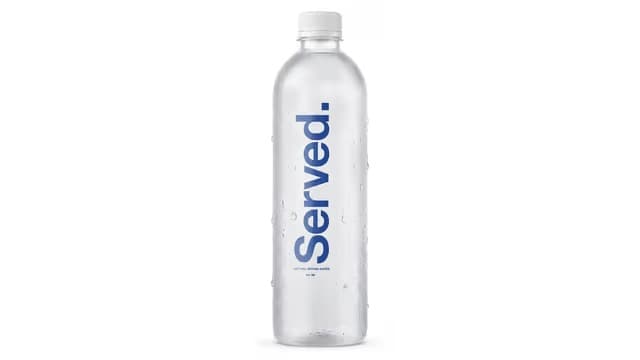
Water supply for healthcare facilities should therefore be approached as an important part of overall facility management. Servedwater.com.au provides water solutions designed to support organisations that need dependable access to quality drinking water while maintaining practical service requirements.
Why Reliable Water Matters in Healthcare
Healthcare facilities have water needs that extend far beyond drinking. Water may be required for hand hygiene, patient care, cleaning procedures, kitchens, staff amenities and general sanitation. Interruptions or problems with water availability can affect everyday operations and create additional challenges for staff and patients.
A reliable supply also supports good hygiene practices. Handwashing and appropriate cleaning are fundamental to healthcare environments, making dependable water availability an important operational consideration.
Australian Drinking Water Guidelines provide a framework for managing drinking water quality and achieving safety at the point of use. The guidelines are used by health authorities, drinking water regulators, local health authorities and water utilities across Australia.
Water Quality and Healthcare Requirements
Water quality is particularly important in healthcare settings because patients, residents and visitors may have different levels of vulnerability. A suitable water management approach should consider potential microbiological, chemical and other water-quality risks.
The Australian Drinking Water Guidelines include health-based targets covering microbial, chemical and radiological aspects of drinking water quality. NHMRC also continues to review and update guidance as scientific evidence develops.
For healthcare operators, this highlights the importance of working with appropriate water suppliers and maintaining processes that support consistent quality. Depending on the facility and local requirements, this can include appropriate storage, monitoring, maintenance and contingency planning.
Benefits of a Dependable Water Supply
Choosing a dependable water solution can provide several practical benefits for healthcare organisations.
Operational continuity: Healthcare facilities operate every day, often around the clock. Reliable water availability helps staff maintain essential routines without unnecessary disruption.
Convenience: A professionally managed water service can reduce the workload associated with sourcing, handling and maintaining drinking water supplies.
Quality awareness: Healthcare operators can place greater emphasis on water quality, storage conditions and appropriate handling practices.
Patient and staff experience: Accessible drinking water contributes to a comfortable environment for patients, visitors and healthcare workers.
Business resilience: Having appropriate contingency arrangements can help facilities prepare for situations where normal water access is temporarily affected.
Choosing Water Supply Solutions for Healthcare Facilities
When evaluating water supply for healthcare facilities, organisations should consider more than simply the availability of water. Factors such as facility size, daily consumption, storage requirements, delivery arrangements and continuity needs can all influence the appropriate solution.
It is also useful to consider how water will be stored and handled after delivery. Proper procedures can help maintain water quality between supply and point of use.
Healthcare managers should also understand the regulatory requirements applicable in their state or territory. The Australian Drinking Water Guidelines are not themselves mandatory legally enforceable standards; implementation is determined by individual Australian states and territories.
How Servedwater.com.au Can Help
Servedwater.com.au focuses on providing practical water solutions for organisations that require dependable supply. For healthcare facilities, having a reliable service partner can simplify water procurement and help facilities plan their ongoing requirements.
The right approach should be based on the facility's actual needs, including expected consumption, delivery frequency, storage capacity and operational circumstances. Healthcare providers can then establish a water supply arrangement that supports their day-to-day activities while keeping quality and continuity in focus.
Planning for Water Supply Continuity
Healthcare organisations should consider water availability as part of broader operational planning. Unexpected supply interruptions can create challenges for hygiene, drinking water access, cleaning and other essential activities.
A continuity plan can include identifying water requirements, understanding alternative supply arrangements, maintaining appropriate storage where suitable and establishing clear procedures for responding to disruptions.
Regular review is also valuable because facility needs can change over time. Expanding services, increased occupancy or changes in operating hours may all affect water consumption.
Conclusion
Reliable water supply for healthcare facilities is an important part of maintaining safe, hygienic and efficient healthcare environments. From drinking water and hand hygiene to cleaning and everyday operations, healthcare organisations depend on consistent access to suitable water.
Servedwater.com.au can support organisations looking for practical and dependable water supply solutions. By considering water quality, consumption, storage, delivery and continuity requirements together, healthcare facilities can develop a supply approach that better supports their staff, patients and daily operations.
FAQs
1. Why is water supply important for healthcare facilities?
Water is essential for drinking, hand hygiene, cleaning, sanitation, food preparation and numerous healthcare operations. Reliable availability helps facilities maintain everyday services.
2. What should healthcare facilities consider when choosing a water supplier?
Facilities should consider water quality, supply reliability, delivery arrangements, consumption requirements, storage capacity and applicable state or territory requirements.
3. Are Australian Drinking Water Guidelines mandatory?
The Australian Drinking Water Guidelines provide a framework for safe drinking water management, but NHMRC states that they are not mandatory legally enforceable standards. Implementation is determined by individual states and territories.
4. Can water supply planning help healthcare facilities during disruptions?
Yes. Understanding consumption requirements, available storage and alternative supply arrangements can help facilities prepare for potential interruptions.
5. Who can provide water supply solutions for healthcare facilities?
Servedwater.com.au provides water supply solutions for organisations that require dependable access to water and can help facilities consider their specific supply requirements.
Ready to stay hydrated?
Get premium water delivery for your office or event — fresh, pure, and delivered on your schedule.
Order Now