Water supply during shortages
Water Supply During Shortages: Practical Solutions for Reliable Access
Reliable access to drinking water is essential for homes, businesses, hospitality venues, workplaces, events, and communities. However, drought, infrastructure issues, unexpected interruptions, increased demand, or limited local supplies can create challenging conditions. Having a clear plan for Water supply during shortages can help organisations maintain access to quality drinking water while reducing disruption.
Australia can experience periods of below-average rainfall and water availability. The Bureau of Meteorology reported significant rainfall deficiencies across several parts of Australia in the 36 months ending August 2026, demonstrating why preparation can be important for areas experiencing prolonged dry conditions.
Understanding Water Shortages
A water shortage occurs when available supply cannot comfortably meet normal demand. The reasons can vary considerably. Drought and low rainfall can reduce available water resources, while infrastructure failures can temporarily interrupt normal supply. In commercial environments, unexpected increases in customer numbers or event attendance can also create additional demand.
Government water-supply planning recognises contingency and emergency supplies as important responses when usual water sources become compromised. Depending on the circumstances, solutions can include water carting, alternative sources, or temporary supply arrangements.
For businesses and organisations, the first step is understanding how much water is normally required and identifying situations that could cause consumption to increase.
Planning for Water Supply During Shortages
Effective preparation begins before supplies become critically low. Businesses can review average daily consumption, seasonal requirements, upcoming events, and the number of people who depend on their water supply.
A practical plan may include:
Monitoring current water usage and inventory
Establishing minimum stock levels
Identifying alternative water suppliers
Scheduling deliveries before supplies become critically low
Maintaining suitable storage facilities
Reviewing emergency procedures
Considering increased demand during events or busy periods
For commercial operations, advance planning can be particularly useful. Hotels, restaurants, offices, universities, airlines, and event organisers may need substantial quantities of drinking water within specific timeframes.
The Importance of Quality Drinking Water
Quantity is only one part of a dependable water strategy. Quality also matters, particularly when water is intended for human consumption.
The Australian Drinking Water Guidelines provide a framework for managing drinking-water quality, while appropriate handling, transportation, storage, and delivery practices help protect water from contamination. Served Water's information on potable water delivery also highlights the importance of suitable equipment, approved sources, appropriate fittings, and responsible handling throughout transportation.
When arranging an alternative supply, businesses should therefore confirm that the water is suitable for its intended purpose rather than assuming that every available water source is appropriate for drinking.
How Delivered Water Can Help
Delivered drinking water can provide a practical option when normal supplies are unavailable, insufficient, or temporarily disrupted. It can also support businesses that want to maintain additional stock as part of their preparedness strategy.
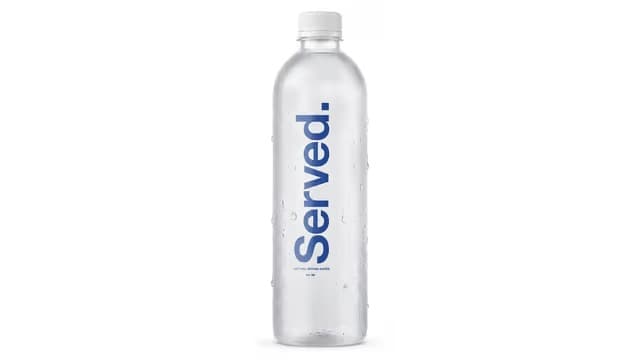
Servedwater.com.au provides natural spring water with nationwide delivery for hospitality, corporate, and event customers. Its available bottle sizes include 350ml and 600ml options, with custom branding solutions also available for businesses.
For organisations preparing for potential shortages, working with a dependable supplier can make replenishment easier and reduce the pressure associated with last-minute purchasing.
Preparing Storage Before a Shortage
A delivery plan works best when suitable storage is already available. Businesses should ensure that storage areas are clean, protected, and suitable for the type of water being stored. Stock should be organised so older supplies are used appropriately and new deliveries can be managed efficiently.
It is also useful to estimate how long existing supplies would last if normal deliveries were temporarily delayed. This helps businesses establish realistic minimum stock levels.
Supporting Business Continuity
Water shortages can affect more than hydration. Hotels and restaurants need water for guests and staff, while offices and event venues need to support employees, visitors, and attendees. Maintaining an appropriate drinking-water supply can therefore form part of broader business-continuity planning.
A water delivery plan can provide an additional layer of preparedness. Instead of reacting only when supplies become critically low, businesses can monitor consumption and arrange replenishment according to their operational needs.
Why Choose Servedwater.com.au?
Servedwater.com.au focuses on providing premium natural spring water for hospitality, corporate, and event environments across Australia. The company offers nationwide delivery and custom-branded bottled water solutions, helping businesses combine dependable supply with professional presentation.
Its purpose-led approach also means that each bottle purchased contributes toward providing meals for people in need through charitable partnerships, according to the company's website.
For organisations considering their options for water supply during shortages, having a reliable supplier, clear ordering process, and suitable stock plan can make water management more straightforward.
FAQs About Water Supply During Shortages
1. What causes water shortages?
Water shortages can result from drought, low rainfall, infrastructure failures, supply interruptions, increased demand, or limited local water resources.
2. How can businesses prepare for a water shortage?
Businesses can monitor consumption, maintain emergency stock, establish minimum inventory levels, identify dependable suppliers, and arrange deliveries before supplies become critically low.
3. Is bottled water useful during supply interruptions?
Yes. Packaged drinking water can provide a practical temporary supply when normal water facilities are unavailable or disrupted, provided the water is suitable for its intended use.
4. Can businesses arrange regular water deliveries?
Yes. Businesses can establish planned delivery schedules based on their expected consumption, operational requirements, and storage capacity.
5. What should businesses consider when choosing a water supplier?
Consider water quality, delivery reliability, available quantities, bottle sizes, ordering arrangements, storage requirements, and whether the supplier can support your location and business needs.
6. Does Servedwater.com.au deliver across Australia?
Servedwater.com.au states that it provides nationwide delivery for hospitality, corporate, and event customers.
Conclusion
Preparing for water supply during shortages is about more than finding water after a problem occurs. Businesses can improve resilience by monitoring consumption, maintaining appropriate reserves, planning deliveries, and choosing a dependable drinking-water supplier. With quality, availability, and planning considered together, organisations can be better prepared to maintain access to drinking water when normal supply arrangements are affected.
Ready to stay hydrated?
Get premium water delivery for your office or event — fresh, pure, and delivered on your schedule.
Order Now