Water procurement
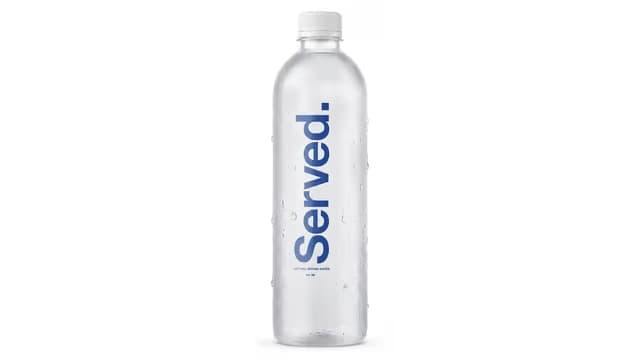
Water Procurement: A Practical Guide for Reliable Water Supply
Reliable access to safe, high-quality water is essential for many Australian businesses, workplaces, events, construction sites and commercial operations. When regular water supplies are limited, unavailable or insufficient for demand, effective Water procurement becomes an important part of operational planning.
Water procurement involves identifying water requirements, selecting an appropriate supply solution, arranging dependable delivery and managing storage and usage efficiently. A well-planned approach can help organisations reduce interruptions, manage costs and maintain an adequate supply when it is needed.
Servedwater.com.au provides water-related solutions designed to help customers manage their water requirements efficiently. Understanding the fundamentals of procurement can help businesses make informed decisions based on their volume, location, application and delivery requirements.
What Is Water Procurement?
Water procurement is the process of sourcing and arranging an appropriate water supply for a specific requirement. Depending on the situation, this may involve determining the required volume, identifying a suitable supplier, organising transportation and planning delivery schedules.
For businesses, procurement should go beyond simply purchasing water. It should consider reliability, water quality, storage capacity, delivery access, frequency and anticipated demand.
Australian government procurement principles emphasise value for money, efficient resource use, accountable decision-making and monitoring the goods or services received. These principles are also useful considerations when businesses evaluate water supply arrangements.
Why Effective Water Procurement Matters
Water requirements can vary significantly between industries. Construction projects may require substantial quantities for different site activities, while events and workplaces may need dependable drinking water for employees and visitors.
Poor planning can result in shortages, emergency purchases, unnecessary transportation costs or operational disruption. Effective procurement helps businesses anticipate demand instead of reacting to problems after they occur.
A structured procurement process can help organisations:
Estimate water consumption accurately
Plan deliveries around operational schedules
Compare suppliers and service options
Maintain suitable storage levels
Reduce the likelihood of supply interruptions
Manage procurement costs more effectively
Establish a dependable long-term supply arrangement
Key Factors to Consider When Procuring Water
1. Water Requirements
Start by determining how much water is required and how frequently it will be used. Consider normal consumption as well as potential increases caused by seasonal demand, larger workforces, events or changes in operations.
Accurate forecasting makes it easier to arrange suitable deliveries and avoid over-ordering.
2. Water Quality
Quality should be an important consideration when sourcing water for drinking or other sensitive applications. Australian guidance recognises the importance of drinking-water quality and provides health-based guideline values for contaminants.
Businesses should understand the intended use of the water and select a supply that is appropriate for that application.
3. Delivery Reliability
A competitively priced water supply is not particularly useful if deliveries are unreliable. Consider delivery schedules, access requirements, lead times and the supplier's ability to respond when demand changes.
For businesses operating on deadlines, dependable delivery can be particularly important.
4. Storage Capacity
Water procurement should be considered alongside storage. Tanks and other storage arrangements need to be suitable for the required volume and application.
Businesses should also establish procedures for maintaining storage facilities. Australian health guidance highlights the importance of appropriate management of water systems and the potential risks associated with stagnant or poorly maintained water supplies.
Water Procurement for Different Industries
Different sectors can have very different water requirements. Construction companies may need water at remote or temporary sites, while event organisers may require additional drinking water for attendees.
Commercial facilities, workplaces, agricultural operations and emergency-response situations can also benefit from planned water procurement.
The best solution depends on the purpose of the water, required quantity, delivery location, timeframe and available storage. Instead of choosing a generic solution, businesses should assess their specific operational needs before arranging supply.
How Servedwater.com.au Can Support Water Procurement
Servedwater.com.au focuses on helping customers address their water supply requirements. When considering a procurement arrangement, businesses can assess factors such as required quantities, delivery frequency, site accessibility and expected demand.
Working with an experienced water supplier can simplify the process by providing a central point of coordination for sourcing and delivery. This can be particularly valuable for organisations that need recurring supplies or have changing requirements.
The goal of effective procurement is not simply to obtain water. It is to establish a practical supply arrangement that supports business continuity and responsible resource management.
Building a Better Water Procurement Strategy
A useful procurement strategy should begin with an assessment of current and expected water consumption. Businesses can then establish minimum stock levels, delivery schedules and contingency arrangements.
It is also worthwhile to periodically review supplier performance, delivery reliability, costs and changing operational requirements. Procurement should be treated as an ongoing process rather than a one-time purchase.
Where water is intended for consumption, businesses should also consider relevant Australian requirements and appropriate quality assurance practices. Food and water safety are important components of protecting public health, and Australian authorities maintain standards and guidance covering food and drinking-water safety.
Conclusion
Effective water procurement helps businesses maintain reliable access to water while managing supply, delivery, storage and costs. By understanding consumption requirements, considering water quality, planning deliveries and choosing an appropriate supplier, organisations can create a more dependable water management process.
For businesses seeking practical water supply solutions, Servedwater.com.au can be considered as part of the procurement process. Careful planning and regular review can help ensure that water remains available when and where it is needed.
Frequently Asked Questions
What does water procurement mean?
Water procurement is the process of sourcing, purchasing and arranging delivery of water according to specific requirements such as quantity, quality, location and timing.
Why is water procurement important for businesses?
It helps businesses maintain reliable supplies, reduce the risk of shortages, plan deliveries efficiently and manage water-related operational costs.
How should a business determine its water requirements?
Businesses should consider current consumption, workforce size, operational activities, seasonal changes, storage capacity and possible increases in demand.
Is water quality important during procurement?
Yes. Water quality is particularly important when water will be used for drinking or food-related purposes. Businesses should ensure the selected supply is suitable for its intended application.
Can water procurement be arranged for temporary sites?
Yes. Temporary locations such as construction sites, events and other remote operations may require planned water delivery and storage solutions.
How often should a water procurement strategy be reviewed?
The strategy should be reviewed whenever business requirements change and periodically to assess consumption, delivery performance, costs, storage and future demand.
What should businesses look for in a water supplier?
Important factors can include reliability, appropriate water quality, delivery capability, responsiveness, supply capacity and the ability to meet the business's specific requirements.
Ready to stay hydrated?
Get premium water delivery for your office or event — fresh, pure, and delivered on your schedule.
Order Now