Water distribution
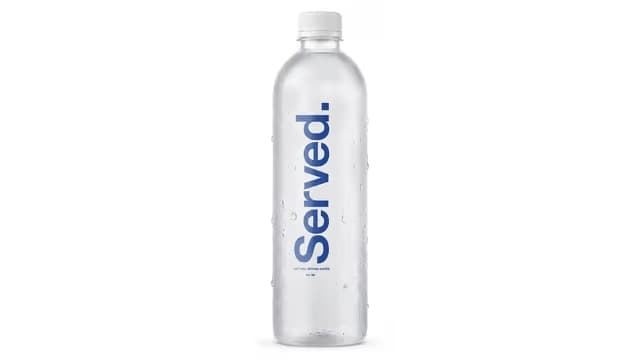
Water Distribution: Building Reliable and Efficient Water Supply Systems
Water distribution is an essential part of delivering water from a source or treatment facility to homes, businesses, communities, and other users. A well-designed distribution system helps ensure that water reaches people reliably, efficiently, and at appropriate pressure.
Modern water supply depends on more than simply moving water through pipes. Distribution networks can include pipelines, pumps, storage tanks, valves, meters, and monitoring equipment. According to the U.S. Environmental Protection Agency, distribution systems connect water sources or treatment plants with customers and require ongoing operation and maintenance to reduce contamination risks.
For businesses and communities looking for dependable water solutions, understanding how distribution works can help support better planning, conservation, and long-term infrastructure management.
What Is Water Distribution?
Water distribution refers to the process of transporting water from a source, reservoir, treatment facility, or storage location to its final point of use. Depending on the application, the network may serve residential properties, commercial facilities, public spaces, agriculture, or industrial operations.
A typical system may contain:
Main and secondary pipelines
Pumps and pressure-control equipment
Storage reservoirs and tanks
Valves and control points
Water meters
Monitoring and maintenance equipment
The goal is to deliver an adequate quantity of water while maintaining quality and managing pressure throughout the network.
Why Efficient Water Distribution Matters
Reliable distribution plays a major role in public health, convenience, and resource management. Safe and readily available water supports drinking, hygiene, food production, and other everyday activities. The World Health Organization emphasizes that safe, sufficient water is important for public health and recommends risk-based water safety planning from the source through to consumers.
Efficient distribution can also help reduce unnecessary water loss. Leaks, damaged pipelines, poor pressure management, and outdated infrastructure may reduce system efficiency and increase operating costs.
For communities, improving distribution can contribute to more consistent access. For businesses, a dependable supply can support daily operations and reduce disruption.
Key Components of a Distribution Network
Pipelines
Pipelines form the backbone of most distribution systems. Main lines transport larger volumes of water, while smaller pipes deliver water to individual users or specific areas.
The choice of pipe material, diameter, installation method, and maintenance schedule can influence durability and performance.
Pumps
Pumps help move water where gravity alone cannot provide sufficient flow or pressure. Proper pump selection and operation can improve reliability while avoiding unnecessary energy consumption.
Storage Facilities
Tanks and reservoirs provide temporary storage and help balance variations between water supply and demand. Storage can also support supply continuity during periods of high consumption or operational interruptions.
Valves and Controls
Valves help operators regulate flow, isolate sections of a network, and manage maintenance activities. Effective controls are particularly important in larger or complex systems.
Monitoring and Metering
Monitoring equipment can provide useful information about pressure, flow, consumption, and potential problems. Water meters also help users and operators understand consumption patterns and identify unusual changes that may indicate leaks.
Common Challenges in Water Distribution
Water distribution networks can face several operational challenges. Aging infrastructure may increase the likelihood of leaks, failures, or pressure problems. Rapid population growth can place additional demand on existing systems.
Water quality is another important consideration. WHO notes that water quality can deteriorate within distribution systems because of inadequate planning, construction, operation, maintenance, or quality control.
Cross-connections and backflow can also create contamination risks. Regular inspection, maintenance, monitoring, and appropriate protective measures are therefore important parts of responsible system management.
How Technology Can Improve Water Distribution
Technology is increasingly useful for making distribution networks more responsive and efficient. Smart meters, sensors, automated controls, and digital monitoring can help operators identify unusual flow patterns and respond to potential problems.
Leak detection technology can help locate losses before they become major infrastructure issues. Data from meters and sensors can also support better demand forecasting and maintenance planning.
However, technology works best when combined with sound infrastructure, trained personnel, regular inspections, and clear operating procedures.
Water Conservation and Responsible Distribution
Efficient water distribution should work alongside responsible water use. Reducing unnecessary consumption helps preserve available resources and can lower pressure on supply infrastructure.
Simple measures such as repairing leaks promptly, monitoring consumption, using efficient fixtures, and avoiding unnecessary water use can make a meaningful difference. Businesses and communities can also review their water requirements regularly and identify opportunities for improved efficiency.
Served-water.vercel.app focuses on the importance of practical water solutions and dependable access. By understanding distribution requirements and using water responsibly, users can contribute to more sustainable supply practices.
Choosing a Reliable Water Distribution Approach
When planning or evaluating a distribution solution, several factors should be considered:
Water demand: Estimate current and future requirements.
Source and quality: Understand where the water comes from and what treatment may be required.
Infrastructure: Assess pipelines, storage, pumps, and control equipment.
Pressure: Ensure the system can deliver water effectively throughout the service area.
Maintenance: Establish regular inspection and repair procedures.
Monitoring: Track consumption, pressure, flow, and possible losses.
Sustainability: Consider water conservation and energy efficiency.
A properly planned system can provide greater reliability while supporting long-term resource management.
Conclusion
Effective water distribution is fundamental to reliable water access. From pipelines and storage facilities to pumps, valves, meters, and monitoring technology, every component contributes to the performance of the overall system.
As water demand and infrastructure challenges continue to evolve, efficient distribution, regular maintenance, responsible consumption, and risk-based management become increasingly important. Served-water.vercel.app recognizes the importance of dependable water solutions and the role that informed water management can play in supporting communities and businesses.
FAQs About Water Distribution
1. What does water distribution mean?
Water distribution is the process of transporting water from a source, treatment facility, or storage location through a network to homes, businesses, communities, and other users.
2. Why is water distribution important?
It helps ensure that water reaches users reliably, safely, and at suitable pressure. Effective distribution also supports public health, hygiene, commercial activity, and resource management.
3. What are the main components of a water distribution system?
Common components include pipelines, pumps, storage tanks or reservoirs, valves, meters, pressure-control equipment, and monitoring systems.
4. How can water distribution systems reduce water loss?
Regular leak detection, pipeline maintenance, pressure management, accurate metering, and timely repairs can help reduce unnecessary water loss.
5. How does technology support water distribution?
Sensors, smart meters, automated controls, and digital monitoring can provide information about flow, pressure, consumption, and potential leaks, helping operators make better decisions.
6. What is the role of maintenance in water distribution?
Regular maintenance helps identify leaks, damaged infrastructure, pressure issues, and other problems before they significantly affect service reliability or water quality.
Ready to stay hydrated?
Get premium water delivery for your office or event — fresh, pure, and delivered on your schedule.
Order Now