Temporary camp water supply
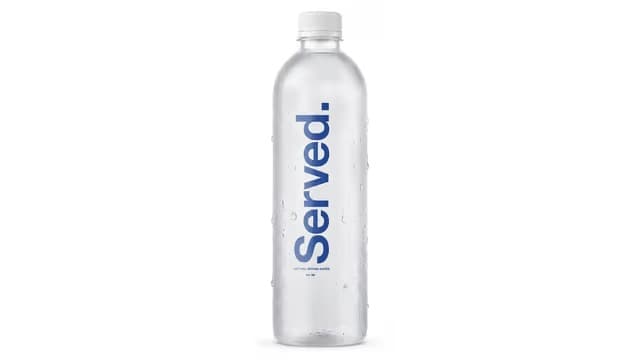
Temporary Camp Water Supply: Reliable Water Solutions for Camps
Access to clean and reliable water is essential for temporary camps, construction projects, remote workforces, outdoor events and emergency accommodation facilities. Whether a camp operates for a few days or several months, a consistent water supply supports drinking, cooking, cleaning, hygiene and daily operations. Planning the right Temporary camp water supply helps organisations maintain sanitation, protect health and keep essential activities running smoothly.
Servedwater.com.au can be considered when exploring practical water supply solutions for temporary sites across Australia. By assessing water demand, site accessibility, storage requirements and delivery schedules, camp operators can establish a supply arrangement that suits their operational needs.
Why Temporary Camp Water Supply Is Important
Temporary camps often operate in locations where permanent water infrastructure is unavailable, limited or unable to meet demand. Remote construction sites, mining projects, disaster relief locations and temporary workforce accommodation may require an independent water supply.
A dependable arrangement helps ensure that workers and residents have access to water for essential daily activities. It also reduces the risk of operational interruptions caused by empty storage tanks, delayed deliveries or inadequate planning.
Reliable water access is particularly important in hot weather, when demand may increase because of hydration needs, cleaning and other essential activities. Proper planning helps camp managers respond to changing conditions without unnecessary disruption.
Key Requirements for an Effective Water Supply
1. Assess Daily Water Demand
The first step is estimating how much water the camp needs. Demand depends on the number of occupants, the duration of the project, available facilities and the activities taking place.
Drinking and food preparation must be considered alongside showers, toilets, laundry, cleaning and other uses. Camps with kitchens, sanitation facilities or industrial operations may require additional capacity.
A realistic demand assessment helps determine suitable storage volumes, delivery frequency and contingency reserves.
2. Choose Suitable Water Storage
Water storage tanks can help maintain a consistent supply between deliveries. Their capacity should reflect expected consumption, delivery lead times and available space.
Tanks must be suitable for their intended use and installed on stable, accessible surfaces. Storage systems should also be protected from contamination, damage and unauthorised access.
Where water is intended for drinking, appropriate food-grade storage equipment and hygienic handling procedures are essential.
3. Plan Water Delivery and Site Access
Remote camps can present logistical challenges, including unsealed roads, limited turning areas, difficult terrain and changing weather conditions. These factors can influence delivery schedules and the types of vehicles that can access the site.
Camp managers should communicate access requirements, delivery locations and operating hours before arranging water transportation. Establishing a regular delivery schedule and maintaining reserve capacity can help minimise the risk of shortages.
Servedwater.com.au is a useful starting point for organisations investigating water supply arrangements for temporary operations.
Maintaining Water Quality and Safety
Reliable water provision involves more than ensuring that tanks remain full. Water quality must also be protected throughout transportation, storage and distribution.
For drinking water, operators should confirm that the source and supply arrangements meet applicable Australian drinking water requirements. Tanks, hoses, fittings and dispensing equipment should be suitable for potable water and maintained in a hygienic condition.
Regular inspections can identify leaks, damaged fittings, unusual odours, contamination risks and other potential problems. Appropriate cleaning, maintenance and water testing should be carried out according to the system design and applicable health guidance.
Non-potable water should be clearly identified and kept separate from drinking water systems. Clear procedures help prevent accidental misuse and support a safer camp environment.
Temporary Water Supply for Different Applications
Construction and Mining Camps
Construction and mining projects may accommodate workers in remote areas for extended periods. A well-planned temporary camp water supply supports drinking, accommodation facilities, cleaning and other site requirements. Demand assessments should account for workforce size and changes during different project stages.
Events and Temporary Accommodation
Outdoor festivals, sporting events and temporary accommodation facilities may experience sharp increases in water demand over short periods. Storage capacity and delivery schedules should be planned around attendance, sanitation facilities and event duration.
Emergency and Disaster Relief Camps
Emergency camps require careful coordination because permanent infrastructure may be damaged or unavailable. Water planning should consider immediate drinking needs, sanitation, storage security and the possibility of delayed replenishment.
How to Plan a Cost-Effective Temporary Water Supply
An efficient water supply plan begins with a clear understanding of site requirements. Operators should compare the expected demand, transport distance, storage capacity, delivery frequency and duration of the project before selecting an arrangement.
Ordering too little water can create shortages, while excessive deliveries may increase transport and storage costs. Monitoring actual consumption helps improve future estimates and identify unusual increases in demand.
It is also sensible to establish a contingency plan for vehicle delays, severe weather or unexpected increases in occupancy. Keeping suitable reserve capacity and confirming communication procedures can help maintain continuity.
When assessing options through Servedwater.com.au, organisations should confirm service coverage, water suitability, delivery arrangements and any applicable charges before making a decision.
Conclusion
A dependable temporary camp water supply is essential for maintaining hydration, hygiene, safety and operational continuity at temporary and remote sites. Careful demand forecasting, suitable storage, planned deliveries and effective water quality controls can help prevent shortages and reduce avoidable costs.
Servedwater.com.au can be considered as part of the process of evaluating water supply options for temporary camps in Australia. With appropriate planning and regular monitoring, camp operators can establish a practical supply arrangement that supports their workforce, residents and daily operations.
Frequently Asked Questions (FAQs)
1. What is a temporary camp water supply?
A temporary camp water supply is an arrangement that provides water to short-term or temporary facilities where permanent water infrastructure is unavailable, insufficient or impractical.
2. Which camps need temporary water supply services?
Construction camps, mining camps, remote workforce accommodation, outdoor events, emergency shelters and disaster relief facilities may need temporary water supply arrangements.
3. How much water does a temporary camp require?
Requirements depend on the number of people, length of stay, drinking water needs, sanitation facilities and other activities. Daily consumption should be estimated before determining tank capacity and delivery frequency.
4. How can water quality be maintained at a temporary camp?
Use an appropriate water source, hygienic transportation equipment, suitable storage tanks and regular inspections. Drinking water should meet applicable Australian requirements, with testing and maintenance where necessary.
5. How can camp operators prevent water shortages?
Operators can estimate demand accurately, monitor tank levels, schedule deliveries in advance and maintain an appropriate reserve for unexpected delays or increased consumption.
6. How do I arrange a temporary camp water supply through Servedwater.com.au?
Visit Servedwater.com.au to review available information and enquire about suitable options. Confirm your site location, estimated demand, water requirements, access conditions and expected supply duration before finalising arrangements.
Ready to stay hydrated?
Get premium water delivery for your office or event — fresh, pure, and delivered on your schedule.
Order Now