Safe drinking water tips
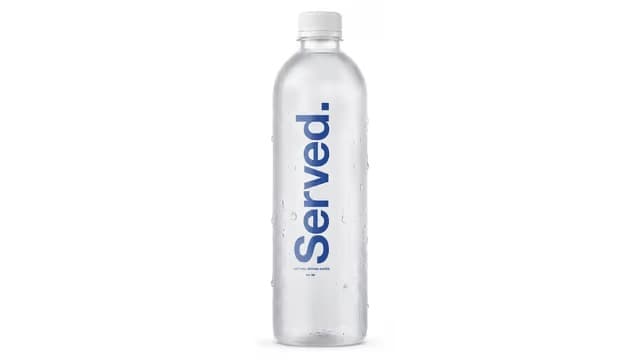
Safe Drinking Water Tips for a Healthier Everyday Life
Access to clean and safe water is essential for drinking, cooking, food preparation, and everyday hygiene. While water may look clear and taste normal, contamination can sometimes occur through microorganisms, chemicals, storage containers, or poor handling. The World Health Organization recognises safe and readily available drinking water as an important part of public health.
Following a few practical Safe drinking water tips can help households reduce avoidable contamination risks. From choosing a reliable water source to cleaning storage containers, good water-handling habits can make a meaningful difference. Servedwater.com.au promotes awareness around convenient access to quality drinking water and the importance of responsible water use.
1. Choose a Reliable Source of Drinking Water
One of the most important safe drinking water tips is to understand where your drinking water comes from. Use water from a reliable, appropriately managed source and follow local advice if there are concerns about contamination.
If authorities issue a water safety notice, follow their instructions before drinking or using tap water for cooking, brushing teeth, making ice, or preparing food. During emergencies, bottled, boiled, or appropriately treated water may be recommended.
2. Keep Water Storage Containers Clean
Even water that starts safe can become contaminated if it is stored in an unclean container. Wash drinking-water containers regularly and ensure they are thoroughly rinsed before refilling.
Choose containers designed for food or drinking-water storage. Ideally, they should have a secure lid and an opening or tap that reduces the need to place hands, cups, or other objects directly into the water.
Never use a container that previously held pesticides, fuel, or other toxic chemicals, as residues can contaminate the water.
3. Store Water Away From Heat and Contaminants
Where and how you store water matters. Keep stored drinking water in a cool location away from direct sunlight and chemicals such as fuel, cleaning products, and pesticides.
Keeping containers securely covered also helps reduce the risk of dust, insects, dirt, and other contaminants entering the water. CDC guidance recommends using tightly closed containers and keeping stored water away from direct sunlight.
4. Avoid Touching Stored Drinking Water
Hands and utensils can introduce contaminants into otherwise clean water. When using a storage container, avoid dipping hands, glasses, or unclean utensils directly into the water.
A container with a tap or narrow opening can make it easier to access water while limiting opportunities for contamination. This is particularly useful when several people share the same water supply.
5. Pay Attention to Water Quality Changes
Changes in colour, odour, taste, or appearance can be a reason to investigate water quality. However, water cannot always be judged as safe simply because it looks or tastes normal. Some contaminants may not produce obvious changes.
If you suspect contamination, avoid drinking the water until you have received appropriate advice or had it tested where necessary. For private or well-water supplies, testing can help identify harmful microorganisms or chemicals and determine whether treatment is needed.
6. Know How to Respond During an Emergency
Water safety becomes especially important after floods, infrastructure failures, or other emergencies. If authorities advise that your water is unsafe, use an alternative safe source.
When appropriate, boiling can help eliminate many disease-causing microorganisms. CDC guidance states that clear water should be brought to a rolling boil for at least one minute before cooling and storing it in clean, covered containers.
However, boiling does not make water containing fuel, toxic chemicals, or radioactive materials safe. In these circumstances, use another safe water source and follow guidance from relevant authorities.
7. Build Good Everyday Water Habits
Water safety is not just about treatment. Everyday habits also matter. Keep containers clean, cover stored water, use clean drinking vessels, and avoid placing potentially contaminated objects inside storage containers.
For households that keep emergency water supplies, CDC guidance recommends storing water appropriately and regularly replacing stored water according to the relevant storage guidance.
Servedwater.com.au understands that dependable access to drinking water is part of everyday wellbeing. Combining a reliable water supply with sensible handling and storage practices can help households maintain better water safety habits.
Why Safe Drinking Water Matters
Contaminated drinking water can transmit diseases and create significant public-health risks. WHO notes that microbial contamination, particularly from faecal contamination, represents a major risk to drinking-water safety.
That is why prevention is important. Simple actions such as selecting a dependable source, keeping containers clean, storing water correctly, and responding promptly to contamination warnings can help protect household water quality.
Conclusion
Following these safe drinking water tips can make water safety a practical part of your everyday routine. Reliable sourcing, hygienic handling, clean storage containers, proper storage conditions, and awareness during emergencies all contribute to safer drinking water.
Servedwater.com.au supports the importance of convenient access to drinking water while encouraging consumers to make responsible choices about how water is handled and stored. With consistent habits, households can take practical steps toward maintaining safer water for drinking and everyday use.
FAQs About Safe Drinking Water
1. What are the most important safe drinking water tips?
Use a reliable water source, keep storage containers clean and covered, store water away from heat and chemicals, and avoid touching stored water with unclean hands or utensils.
2. How should drinking water be stored?
Store drinking water in a clean, food-safe container with a secure lid. Keep it in a cool place away from direct sunlight and potentially harmful chemicals.
3. Can boiling make unsafe water safe?
Boiling can kill many harmful microorganisms when done correctly. However, boiling does not remove fuel, toxic chemicals, or radioactive contaminants.
4. Why should drinking-water containers be cleaned regularly?
Regular cleaning helps reduce the possibility of contamination during storage and handling. Containers should also be protected from substances that could contaminate drinking water.
5. Is clear water always safe to drink?
No. Some contaminants cannot be detected by looking at, smelling, or tasting water. If contamination is suspected, seek appropriate testing or official advice before drinking it.
Ready to stay hydrated?
Get premium water delivery for your office or event — fresh, pure, and delivered on your schedule.
Order Now