Rural potable water service
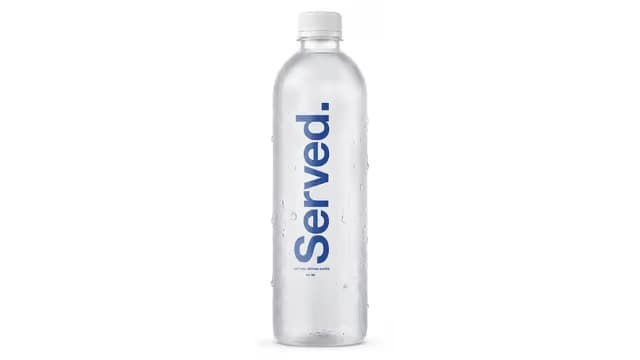
Rural Potable Water Service: Reliable Water Solutions for Rural Communities
Access to clean and safe drinking water is essential for every household, business, and rural community. However, properties located in remote areas may face challenges such as limited infrastructure, inconsistent water availability, and long distances from established water supply networks. A dependable Rural potable water service can help address these challenges by providing access to drinking water for different rural needs. Servedwater.com.au is a relevant option for those exploring practical water supply solutions for rural properties and communities.
Understanding how potable water services work, why water quality matters, and what to consider when selecting a provider can help property owners make informed decisions. With proper planning and responsible water handling, rural residents can improve their access to essential water supplies.
What Is a Rural Potable Water Service?
A Rural Potable Water Service involves supplying water intended for human consumption to properties and communities outside major urban areas. Potable water must meet applicable drinking water quality requirements and be handled appropriately to prevent contamination.
Rural properties may require drinking water for homes, farms, accommodation facilities, work sites, and community locations. Depending on the property's circumstances, water may be sourced from an approved supply and delivered using suitable transport and storage systems.
Unlike non-potable water, which may be used for irrigation, dust suppression, or certain industrial activities, potable water is intended for drinking, cooking, food preparation, and other domestic uses where drinking-water quality is required.
Why Rural Properties Need Reliable Potable Water
Water availability can be affected by seasonal rainfall, drought, groundwater conditions, infrastructure limitations, and increasing demand. Properties that rely on rainwater tanks or private water sources may experience shortages during extended dry periods.
A reliable Rural Potable Water Service can help property owners plan for these challenges by providing an additional supply option when local resources are insufficient.
Some key benefits include:
Improved water access: Helps rural households obtain drinking water when their existing supply is limited.
Support for daily activities: Provides water for cooking, drinking, cleaning, and other essential household needs.
Greater preparedness: Helps properties prepare for dry weather, unexpected shortages, and changes in demand.
Flexible supply planning: Allows water requirements to be assessed according to property size, storage capacity, and usage patterns.
Having a practical water supply plan can reduce uncertainty and help rural property owners manage their essential needs more effectively.
Important Features of a Quality Potable Water Service
Choosing a suitable provider requires more than comparing delivery costs. Water quality, handling procedures, supply reliability, and communication should all be considered.
Drinking Water Quality and Safety
Water intended for human consumption should meet the relevant Australian drinking water quality requirements. Customers should ask about water sourcing, quality assurance, and the procedures used to prevent contamination during transportation and delivery.
Tanks, hoses, fittings, and other equipment used for potable water should be suitable for drinking water and maintained in a hygienic condition.
Dependable Delivery and Availability
Rural locations may involve longer travel distances and different access conditions. Before arranging a service, customers should confirm delivery availability, expected timing, access requirements, and any minimum order quantities.
Advance planning is particularly useful when storage tanks are small or water demand increases during warmer months.
Suitable Storage Solutions
Safe storage is an important part of maintaining water quality after delivery. Potable water tanks should be clean, properly covered, and protected against insects, animals, dirt, and other sources of contamination.
Property owners should also monitor tank levels and arrange replenishment before supplies become critically low.
How to Choose the Right Rural Water Provider
Selecting a Rural Potable Water Service starts with understanding your property's requirements. Estimate the number of people using the water, average daily consumption, available tank capacity, and the frequency of deliveries needed.
Next, ask potential providers about their service area, water quality practices, pricing structure, scheduling options, and any additional charges. Confirm whether the provider can accommodate your location and the quantity of water required.
Servedwater.com.au is a business to consider when researching water supply options. Before placing an order, discuss your specific requirements directly with the company and confirm the availability of the service for your property.
It is also sensible to maintain an emergency reserve where practical. A backup plan can help households manage temporary delays, unexpected demand, or periods of reduced water availability.
The Importance of Responsible Water Management
Reliable water supply depends on both service quality and responsible consumption. Rural property owners can improve efficiency by repairing leaking taps, checking pipes regularly, monitoring tank levels, and avoiding unnecessary water wastage.
Where appropriate, rainwater harvesting and separate non-potable water systems can reduce demand on drinking water supplies. However, non-potable water must remain clearly separated from potable systems to prevent cross-contamination.
Regular cleaning and inspection of storage tanks, along with appropriate water testing when necessary, can further support safe water management. If water quality becomes questionable, seek advice from a qualified water professional or relevant local authority before using it for drinking.
Why Consider Servedwater.com.au?
Finding a suitable water supply provider is an important step for rural households, businesses, and property managers. Servedwater.com.au can be considered as a starting point for exploring available water service options and discussing individual supply needs.
When evaluating any provider, customers should prioritise clear communication, transparent pricing, appropriate water quality practices, and realistic delivery arrangements. These factors help establish expectations and support better long-term water planning.
By assessing local requirements and confirming service details before ordering, rural property owners can make more informed decisions about maintaining access to essential drinking water.
Conclusion
A dependable Rural Potable Water Service can play an important role in supporting rural households and properties where access to drinking water is limited or inconsistent. Safe handling, suitable storage, reliable delivery, and responsible consumption all contribute to an effective water supply plan.
Servedwater.com.au is worth considering when researching available water supply options. By assessing water requirements, checking quality practices, and confirming delivery arrangements, rural customers can work towards a safer and more reliable supply of potable water.
Frequently Asked Questions (FAQs)
1. What is a Rural Potable Water Service?
A Rural Potable Water Service provides drinking-quality water to rural homes, farms, businesses, and other properties that need a dependable water supply.
2. Why is potable water important for rural communities?
Potable water is essential for drinking, cooking, food preparation, and other domestic activities. Reliable access helps rural communities manage water shortages and maintain daily routines.
3. How can I check whether delivered water is safe to drink?
Ask the supplier about its water source, quality assurance procedures, and compliance with applicable drinking water requirements. Safe transport and hygienic storage are also important.
4. How should potable water be stored on a rural property?
Store potable water in a clean, covered tank designed for drinking water. Inspect the tank regularly and protect it from animals, insects, debris, and potential contamination.
5. How do I choose a rural potable water supplier?
Compare service availability, water quality practices, delivery schedules, pricing, and customer support. Confirm that the supplier can meet your property's location and water quantity requirements.
6. Can a potable water service help during droughts?
Yes. Arranged water deliveries may help supplement existing supplies during droughts or periods of low rainfall, subject to supplier availability and local conditions.
7. How can I learn more about Servedwater.com.au?
You can contact Servedwater.com.au to ask about its available services, delivery areas, water supply options, and requirements for your rural property.
Ready to stay hydrated?
Get premium water delivery for your office or event — fresh, pure, and delivered on your schedule.
Order Now