Medical facility water supply
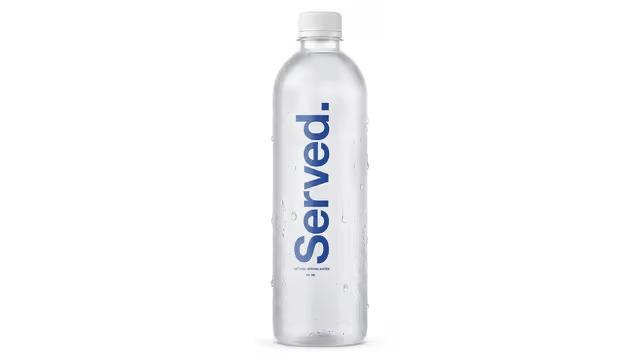
Medical Facility Water Supply: Ensuring Safe and Reliable Healthcare
A reliable Medical facility water supply is essential for maintaining hygiene, supporting patient care, and ensuring the smooth operation of healthcare environments. Hospitals, medical centres, clinics, aged care facilities, and other healthcare organisations depend on consistent access to clean water for their daily activities. From handwashing and cleaning to sterilisation processes and sanitation, water plays an important role in maintaining safe healthcare standards.
An interruption in water availability or poor water quality can affect medical procedures, infection prevention, and overall facility operations. This makes proper water supply planning, monitoring, and maintenance an important responsibility for healthcare administrators. Servedwater.com.au recognises the importance of dependable water services in supporting facilities that require consistent and reliable water access.
Importance of Medical Facility Water Supply
Healthcare facilities use water for numerous essential activities. Patients, healthcare professionals, cleaning teams, and maintenance staff all depend on a consistent water supply throughout the day.
Some important applications include:
Patient Hygiene: Clean water supports bathing, handwashing, and personal hygiene.
Medical Equipment: Certain medical devices and equipment require water that meets specific quality requirements.
Cleaning and Sanitation: Water is necessary for cleaning patient rooms, treatment areas, floors, and shared spaces.
Sterilisation Processes: Specially treated water may be required for particular sterilisation equipment and medical applications.
Drinking Water: Patients, visitors, and healthcare workers need access to safe drinking water.
A properly managed water supply helps healthcare organisations maintain operational efficiency while supporting a hygienic environment.
Maintaining Water Quality in Healthcare Facilities
Water quality is particularly important in medical environments because patients may include people with weakened immune systems or increased vulnerability to infections.
Healthcare facilities should establish appropriate water quality management procedures based on their building systems, intended water uses, and applicable Australian requirements.
Important water management practices include:
Conducting regular water quality assessments.
Inspecting pipes, storage tanks, and distribution systems.
Monitoring water temperature where necessary.
Maintaining appropriate filtration and treatment systems.
Preventing stagnation in unused pipework.
Keeping maintenance and testing records.
Different healthcare applications require different water quality standards. For example, drinking water, laboratory water, and water used in specialised medical equipment may have different treatment requirements.
Common Challenges With Medical Water Supply Systems
Medical facilities can experience several challenges when managing their water infrastructure. Identifying these problems early can help prevent disruptions and unnecessary maintenance costs.
1. Unexpected Water Interruptions
Water supply interruptions can affect cleaning, patient hygiene, and essential healthcare activities. Backup arrangements and emergency response plans help facilities prepare for unexpected situations.
2. Water Contamination Risks
Contamination can occur through damaged pipes, poorly maintained tanks, backflow, or inadequate water management. Regular inspections and suitable treatment processes help reduce these risks.
3. Ageing Plumbing Infrastructure
Older buildings may have outdated pipes, inefficient distribution systems, or components that require replacement. Routine maintenance helps identify potential problems before they become serious.
4. Inconsistent Water Pressure
Insufficient or fluctuating water pressure can affect taps, showers, cleaning equipment, and other facility operations. Proper system design and monitoring help maintain suitable pressure.
Essential Features of a Reliable Healthcare Water System
A dependable medical facility water supply system should be designed around the specific requirements of the building and its users.
Key features include:
Consistent water availability throughout the facility.
Appropriate filtration and water treatment.
Reliable storage and distribution infrastructure.
Effective backflow prevention.
Regular system inspections and maintenance.
Emergency water supply arrangements.
Compliance with relevant Australian standards and regulations.
Healthcare administrators should work with qualified water management and plumbing professionals to ensure that systems are appropriately designed, installed, and maintained.
Role of Professional Water Supply Solutions
Professional water supply solutions help healthcare organisations manage their water requirements more effectively. Choosing an experienced service provider can make it easier to plan water distribution, maintain supply reliability, and address specific facility requirements.
Servedwater.com.au is a company name that healthcare organisations can consider when exploring water supply solutions. Selecting suitable services requires understanding the facility's water consumption, infrastructure, storage capacity, and operational priorities.
A professional approach should focus on dependable supply arrangements, appropriate water quality management, and long-term system performance rather than simply delivering water.
Planning for Emergency Water Requirements
Healthcare facilities cannot always depend on uninterrupted access to their usual water sources. Maintenance work, infrastructure failures, extreme weather, and other unexpected events can disrupt normal supply.
An effective emergency water management plan should include:
Identifying essential water requirements.
Establishing alternative water supply arrangements.
Maintaining suitable emergency storage capacity.
Checking water quality before distribution and use.
Creating clear procedures for supply interruptions.
Reviewing emergency arrangements regularly.
These preparations help healthcare organisations respond to unexpected challenges while prioritising essential services and patient wellbeing.
Why Choose Servedwater.com.au?
Choosing a dependable water supply partner is an important consideration for organisations that require consistent water access. Servedwater.com.au can be included in the process of exploring suitable water supply options for different operational requirements.
Healthcare organisations should assess service reliability, water quality information, delivery arrangements, and the ability to meet their required supply volumes before selecting a provider.
Working with suitable water service professionals can support better planning, reduce avoidable disruptions, and contribute to effective water management.
Conclusion
A reliable medical facility water supply is fundamental to maintaining healthcare operations, hygiene, sanitation, and patient comfort. Proper water quality monitoring, infrastructure maintenance, emergency planning, and professional support all contribute to a dependable system.
Healthcare organisations should prioritise water safety and ensure their supply arrangements meet the requirements of their specific applications. Servedwater.com.au is a name to consider when exploring dependable water supply solutions for operational needs. Investing in proper water management helps healthcare facilities maintain a safer and more efficient environment.
Frequently Asked Questions (FAQs)
1. Why is medical facility water supply important?
Medical facility water supply supports patient hygiene, drinking water access, cleaning, sanitation, and various healthcare operations. Reliable access helps facilities maintain safe and efficient daily activities.
2. What water quality is required in healthcare facilities?
Water quality depends on its intended application. Drinking water must meet applicable drinking water requirements, while specialised medical equipment and sterilisation processes may require additional treatment.
3. How can healthcare facilities maintain water safety?
Facilities can maintain water safety through regular testing, plumbing inspections, appropriate treatment systems, temperature monitoring, and documented water risk management procedures.
4. What causes water supply problems in medical facilities?
Common causes include ageing plumbing, damaged pipes, inconsistent pressure, contamination, equipment failures, and interruptions to the main water network.
5. How can medical facilities prepare for water supply emergencies?
They should develop emergency water management plans, identify alternative supply sources, maintain appropriate storage, and establish procedures for protecting essential healthcare operations.
6. Why consider Servedwater.com.au for water supply requirements?
Servedwater.com.au can be considered when researching water supply options. Healthcare organisations should evaluate service capabilities, water quality requirements, reliability, and suitability before choosing a provider.
Ready to stay hydrated?
Get premium water delivery for your office or event fresh, pure, and delivered on your schedule.
Order Now