Food grade drinking water
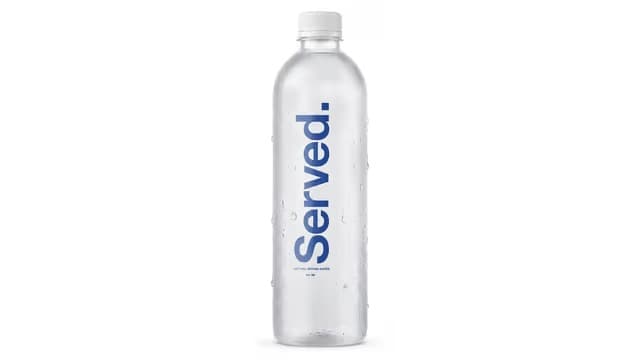
Food Grade Drinking Water: Ensuring Safe and Reliable Water Quality
Water is an essential part of everyday life, but its quality becomes even more important when it is used for drinking, food preparation, cleaning, or other activities involving food. Food grade drinking water refers to water that is suitable for human consumption and appropriate for use in situations where water may come into contact with food.
For homes, hospitality businesses, food businesses, events, workplaces, and temporary facilities, choosing a reliable water supply is an important part of maintaining good hygiene. In Australia, food businesses are required to use potable water for activities involving water unless an approved exception applies.
Servedwater.com.au focuses on providing practical water solutions for situations where dependable drinking-quality water is required.
What Is Food Grade Drinking Water?
Food grade drinking water is water that is suitable for consumption and does not introduce contaminants into food or onto food-contact surfaces. Potable water should be safe to drink and suitable for activities such as food preparation, hand washing, cleaning utensils, and making ice.
Australian food-safety guidance explains that potable water must not contaminate food and should be suitable for cleaning and sanitising processes.
Water quality can be affected by its source, storage conditions, transportation, equipment, and handling. For this reason, businesses should consider the complete water supply process rather than focusing only on the original source.
Why Food Grade Drinking Water Matters
Using suitable water is an important part of preventing contamination. Water can come into direct contact with food, ingredients, equipment, utensils, and hands. If the supply is contaminated, it may create food-safety concerns.
Non-reticulated sources such as tanks, bores, rainwater, dams, and other private supplies may require testing or treatment before being used by food businesses. Potential hazards can include microorganisms, chemicals, metals, acidity, and excessive turbidity.
Reliable food grade drinking water therefore supports safer food handling and helps businesses maintain appropriate hygiene practices.
Common Uses for Food Grade Drinking Water
Food grade water can be useful in a wide range of environments. Common applications include:
Drinking and hydration
Food and beverage preparation
Hand washing
Washing food and ingredients
Cleaning food-contact equipment
Preparing ice
Catering and hospitality
Temporary food premises
Events and outdoor activities
Worksites and remote locations
For mobile and temporary food businesses, access to drinking-quality water is particularly important. FSANZ guidance specifically identifies a supply of drinking-quality water as an important requirement for mobile food businesses.
Choosing a Reliable Water Supply
When arranging drinking-quality water, it is important to consider more than availability. Businesses should think about water quality, storage, transportation, containers, and handling procedures.
For commercially carted water, Australian food-safety guidance recommends ensuring that the water is potable and that transport tanks are suitable for carrying drinking water. Containers and equipment should also be appropriate for food-related use.
This is particularly relevant when water needs to be transported to locations without convenient access to a conventional mains supply.
Food Grade Containers and Equipment
Water quality can be affected by the equipment used to store and transport it. A suitable water supply should therefore be paired with containers, tanks, pipes, and fittings that are appropriate for drinking water.
Using unsuitable equipment can create opportunities for contamination. FSANZ notes that containers and pipes used for water should be suitable for food use, rather than relying on equipment intended for other purposes.
Proper storage and handling can help maintain water quality from the point of supply through to final use.
Food Grade Drinking Water for Temporary and Remote Locations
Not every location has immediate access to a reticulated drinking-water supply. Events, temporary sites, remote workplaces, mobile businesses, and other locations may need alternative arrangements.
In these situations, having access to dependable food grade drinking water can help support essential activities such as hydration, food preparation, hand washing, and cleaning.
Businesses should also consider the quantity of water required and how it will be stored between deliveries or refilling opportunities. FSANZ guidance notes that temporary and mobile premises not connected to piped supplies may need suitable water storage tanks or containers.
Why Choose Servedwater.com.au?
Servedwater.com.au provides water solutions designed around practical supply requirements. When drinking-quality water is needed for a workplace, event, business, or other application, having a dependable supply arrangement can make planning easier.
A suitable water solution should take into account the intended use, required quantity, storage arrangements, and delivery requirements. By considering these factors in advance, customers can better manage their water needs while maintaining appropriate hygiene standards.
Conclusion
Access to food grade drinking water is an important consideration wherever water is used for drinking, food preparation, hygiene, or food-related activities. Safe water helps reduce contamination risks and supports good food-handling practices.
For businesses and organisations that require dependable drinking-quality water, selecting an appropriate supply and maintaining suitable storage and handling practices are essential. Servedwater.com.au can be considered when planning reliable water supply requirements for different environments and applications.
FAQs
1. What is food grade drinking water?
Food grade drinking water is potable water suitable for human consumption and for uses where water may come into contact with food, food-contact surfaces, or food-handling activities.
2. Can food businesses use rainwater for food preparation?
Rainwater and other non-reticulated supplies may require testing and treatment before use. Businesses should ensure the water is potable and suitable for the intended food-related activity.
3. Why is potable water important for food businesses?
Potable water helps prevent contaminants from entering food and is required for many water-related activities on food premises under Australian food-safety standards.
4. Is food grade water suitable for making ice?
Yes. Food-safety guidance states that ice used by food businesses should be made using potable water.
5. What should be considered when transporting drinking water?
The water should remain potable during transportation, and tanks, containers, pipes, and other equipment should be suitable for carrying drinking water and protected from contamination.
Ready to stay hydrated?
Get premium water delivery for your office or event — fresh, pure, and delivered on your schedule.
Order Now