Clean drinking water at home
Clean Drinking Water at Home: A Practical Guide for Australian Families
Access to Clean drinking water at home is an essential part of maintaining a healthy and comfortable household. Whether your water comes from a mains supply, rainwater tank, bore, or another source, understanding how to maintain water quality can help you make better decisions about storage, treatment, and everyday use.
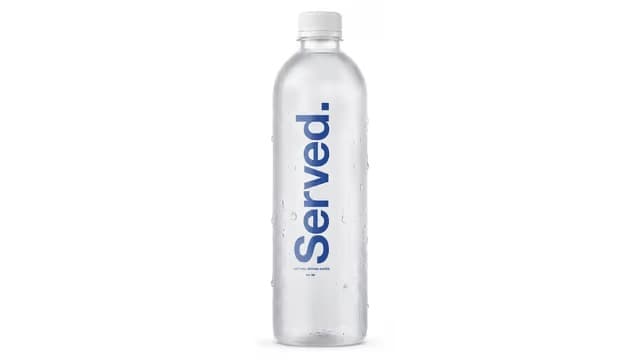
In Australia, the Australian Drinking Water Guidelines provide an authoritative framework for managing drinking water quality and safety. The guidelines consider factors including microbial, chemical, physical, and radiological quality. For households looking for convenient water solutions, Servedwater.com.au focuses on helping make access to suitable drinking water practical for everyday living.
Why Clean Drinking Water at Home Matters
Water is used throughout the day for drinking, cooking, preparing beverages, and other household activities. Poor-quality water can affect taste, odour, appearance, and, depending on the source and contamination involved, potentially pose health risks.
According to Australia's national drinking water guidance, microbial quality is generally one of the most important considerations for drinking water safety. Effective source protection, treatment, and disinfection play important roles in managing these risks.
For this reason, households should not judge water quality only by its appearance. Clear water does not automatically mean that water is free from every potential contaminant, while an unusual taste or appearance does not necessarily indicate a health hazard.
Common Ways to Maintain Water Quality at Home
Maintaining clean drinking water at home starts with understanding your water source and keeping equipment and storage areas properly maintained.
1. Keep Storage Containers Clean
If you store drinking water, use clean, food-safe containers designed for water storage. Containers should be cleaned regularly and protected from direct contamination. Keep them covered whenever possible to reduce exposure to dust, debris, insects, and other contaminants.
2. Maintain Water Tanks and Plumbing
Homes using rainwater tanks or private water supplies may require additional attention. Tank condition, collection surfaces, plumbing, and surrounding areas can all influence water quality.
NHMRC guidance notes that where water comes from a private drinking water supply, responsibility for arranging appropriate testing sits with the building owner, manager, or occupier.
3. Consider Water Treatment When Appropriate
Different water sources can require different approaches. Depending on the source and identified risks, treatment may include filtration or disinfection. However, treatment should be selected according to the actual water-quality issue rather than simply assuming that every household requires the same solution.
Professional testing can be useful when you have concerns about your water source, especially for private supplies.
Choosing a Reliable Water Solution
Convenience is another important consideration when managing household drinking water. Families may prefer a reliable supply that is easy to access, store, and use throughout the day.
Servedwater.com.au provides water solutions designed around everyday household needs. When choosing a provider, consider factors such as water source, quality practices, delivery reliability, storage requirements, and the suitability of the solution for your household.
A trustworthy approach should focus on transparency rather than making unsupported claims about water quality. Australia's drinking water guidance is regularly reviewed as scientific knowledge develops. In June 2025, NHMRC updated guidance covering areas including PFAS, lead, manganese, and metals that may leach from plumbing products.
Practical Habits for Better Drinking Water
Simple daily habits can also support better water management:
Keep drinking-water containers covered and clean.
Avoid storing water in unsuitable containers.
Follow maintenance recommendations for tanks, filters, and dispensers.
Investigate unusual changes in taste, smell, colour, or appearance.
Arrange appropriate testing when using a private water supply or when contamination is suspected.
Follow advice from your local water supplier or health authority during water-quality incidents.
These steps can help households take a more informed approach to their drinking water.
Making Clean Drinking Water More Convenient
For busy Australian households, having convenient access to drinking water can make healthy hydration easier. A dependable water service can reduce the effort involved in sourcing and managing household drinking water while providing a practical option for everyday use.
Servedwater.com.au can be considered as part of a household's approach to convenient water access. However, consumers should always assess their specific requirements, water source, storage conditions, and any relevant local guidance before selecting a water solution.
Conclusion
Having clean drinking water at home is about more than simply having water available. Understanding the source, maintaining storage and plumbing, considering appropriate treatment, and choosing a dependable water solution can all contribute to responsible household water management.
With evidence-based guidance from Australian authorities and practical water services such as those offered by Servedwater.com.au, households can make informed choices that support convenient access to drinking water every day.
FAQs About Clean Drinking Water at Home
Is tap water safe to drink in Australia?
Public drinking water is managed under state and territory arrangements, with the Australian Drinking Water Guidelines providing an authoritative reference for safe and good-quality drinking water.
How can I keep drinking water clean at home?
Use clean, suitable containers, keep stored water covered, maintain tanks and plumbing, and follow appropriate treatment and testing recommendations for your water source.
Should private water supplies be tested?
Testing can be important for private drinking water supplies because the household owner or occupier may be responsible for arranging appropriate testing and monitoring.
Does clear water always mean it is safe?
Not necessarily. Appearance, taste, and odour can provide useful information, but they cannot by themselves confirm that water is safe. Water quality also depends on microbial, chemical, physical, and other characteristics.
What should I consider when choosing a household water provider?
Consider the water source, quality information, delivery reliability, storage requirements, service suitability, and whether the provider clearly explains its water and service practices.
Ready to stay hydrated?
Get premium water delivery for your office or event — fresh, pure, and delivered on your schedule.
Order Now