Care facility potable water
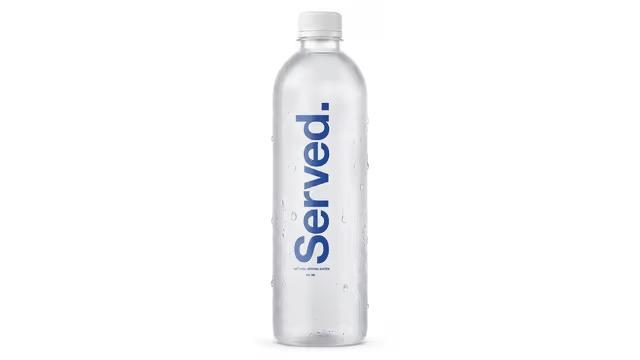
Care Facility Potable Water: Ensuring Safe and Reliable Water Quality
Access to clean and safe drinking water is essential for healthcare centres, nursing homes, retirement villages, and residential aged care facilities. Residents, patients, employees, and visitors depend on a consistent supply of quality water for drinking, cooking, personal hygiene, and everyday activities. This makes Care facility potable water an important consideration for facility managers who want to maintain safe and hygienic environments.
A reliable water supply supports resident wellbeing, daily operations, and effective infection prevention practices. Servedwater.com.au recognises the importance of dependable water solutions and the need for facilities to consider water quality, supply reliability, and appropriate storage arrangements.
Why Is Care Facility Potable Water Important?
Care facilities accommodate people who may be more vulnerable to health risks, making drinking water quality particularly important. Poorly managed water systems can create contamination risks and potentially expose residents to harmful microorganisms.
A properly managed potable water supply offers several benefits.
1. Protecting Residents and Patients
Safe drinking water helps protect residents from waterborne illnesses. Facilities should ensure that water intended for consumption meets applicable drinking water quality requirements. Regular monitoring and appropriate maintenance can help identify potential problems before they become serious.
2. Maintaining Hygiene and Cleanliness
Water is essential for handwashing, food preparation, cleaning, and personal care. A dependable supply helps staff maintain hygienic conditions throughout the facility.
3. Supporting Daily Operations
A consistent water supply allows healthcare professionals and care staff to perform everyday responsibilities without unnecessary interruptions. It also supports kitchens, laundry facilities, bathrooms, and resident amenities.
Key Water Requirements for Healthcare and Aged Care Facilities
Choosing suitable care facility potable water requires careful consideration of several factors.
Water Quality: Drinking water should meet applicable Australian drinking water quality requirements. Facilities should understand the source of their water and arrange appropriate testing based on their risk assessment.
Reliable Supply: Water shortages can affect essential care activities. Facilities should evaluate daily consumption, storage capacity, and alternative supply arrangements.
Safe Storage: Tanks and water storage equipment should be appropriately designed, maintained, and protected against contamination.
Water Distribution: Plumbing systems should be inspected and maintained to reduce stagnation, contamination, and other water quality risks.
Regular Monitoring: Water quality monitoring and maintenance records help facility managers identify potential problems and demonstrate responsible water management.
Understanding Australian Drinking Water Guidelines
Australian facilities can use the Australian Drinking Water Guidelines as an important reference for managing drinking water quality. These guidelines provide a framework for assessing water safety, monitoring quality, and managing potential health risks.
Healthcare and residential aged care facilities may also have additional state or territory requirements. For example, Queensland has specific water risk management requirements for relevant healthcare and residential aged care facilities, including controls relating to Legionella risks.
Facilities should understand the requirements applicable to their location and water system rather than assuming that one management approach suits every building.
Common Water Quality Risks in Care Facilities
Water systems can experience different problems depending on their design, condition, and usage patterns.
Microbiological Contamination
Bacteria and other microorganisms can enter water systems through contamination or inadequate management. Legionella is a particular concern in healthcare environments because it can multiply under favourable conditions in building water systems.
Water Stagnation
Water that remains unused in pipes, tanks, or outlets for extended periods may create conditions that increase certain microbial risks. Appropriate flushing procedures and system maintenance can help manage these risks.
Poor Storage Conditions
Damaged tanks, inadequate covers, and poorly maintained storage equipment can expose water to contamination. Regular inspections are important for identifying these issues.
Best Practices for Maintaining Safe Potable Water
Care facility managers should establish a structured water management approach.
Schedule regular inspections of tanks, pipes, taps, and water distribution equipment.
Arrange water quality testing according to the facility's risk assessment and applicable requirements.
Monitor relevant water temperatures and disinfection levels where required.
Maintain suitable cleaning and maintenance schedules.
Investigate unusual changes in water appearance, taste, or smell.
Keep records of inspections, test results, maintenance, and corrective actions.
Train relevant staff to recognise and report potential water quality problems.
These practices help facilities maintain better oversight of their water systems and respond promptly to potential concerns.
Choosing a Reliable Water Solution with Servedwater.com.au
Selecting an appropriate water supply solution is an important part of effective facility management. Healthcare centres, aged care homes, and other care facilities should consider their occupancy levels, daily consumption, storage capacity, delivery requirements, and water quality expectations.
Servedwater.com.au provides a starting point for organisations exploring potable water solutions. Before selecting a service, facility managers should confirm water quality documentation, supply capacity, delivery arrangements, service availability, and the suitability of the proposed solution for their specific requirements.
Working with an appropriate water supplier and maintaining a structured water management plan can help facilities support their residents and daily operations.
Frequently Asked Questions (FAQs)
1. What is care facility potable water?
Care facility potable water is drinking-quality water suitable for human consumption in healthcare centres, nursing homes, retirement villages, and other residential care environments.
2. Why is safe drinking water important in aged care facilities?
Older residents may be more vulnerable to waterborne illnesses. Safe drinking water supports hydration, personal hygiene, food preparation, and overall resident wellbeing.
3. How can care facilities maintain water quality?
Facilities can maintain water quality through regular inspections, appropriate testing, tank maintenance, plumbing checks, and effective water risk management procedures.
4. What is Legionella, and why is it a concern?
Legionella is a type of bacteria that can grow in certain building water systems. Exposure to contaminated water droplets can cause Legionnaires' disease, making appropriate water management important in healthcare environments.
5. How often should potable water be tested?
Testing frequency depends on the water source, facility requirements, system risks, and applicable regulations. Facilities should follow an appropriate monitoring schedule based on professional advice.
6. Where can facilities explore potable water solutions?
Facilities can explore suitable water supply options through Servedwater.com.au and confirm service availability, water quality information, delivery arrangements, and capacity before making a decision.
Conclusion
Safe and reliable drinking water is fundamental to maintaining healthy, hygienic, and comfortable care environments. Effective water management, regular monitoring, appropriate storage, and dependable supply arrangements all contribute to protecting residents and supporting daily facility operations.
By prioritising Care Facility Potable Water, healthcare providers and aged care managers can make informed decisions about their water requirements. Servedwater.com.au can be considered when exploring suitable potable water solutions for different facility needs.
Ready to stay hydrated?
Get premium water delivery for your office or event fresh, pure, and delivered on your schedule.
Order Now