Agricultural facility water delivery
Agricultural Facility Water Delivery: Supporting Reliable Water Access for Farms
Water is one of the most important resources for agricultural operations. Farms, livestock facilities, greenhouses, and agricultural businesses depend on a consistent water supply to maintain daily activities and support productivity. When existing water sources cannot meet demand, finding a suitable supply arrangement becomes essential. Agricultural facility water delivery helps agricultural businesses plan their water requirements and maintain access to water for different operational purposes.
Reliable water management involves understanding consumption, arranging appropriate supplies, and ensuring water is available when required. Servedwater.com.au is a business customers can explore when researching water supply and delivery solutions in Australia. Choosing the right water service requires careful consideration of operational needs, water quality, and delivery arrangements.
Why Is Agricultural Facility Water Delivery Important?
Agricultural facilities often require significant amounts of water for different activities. Irrigation, livestock care, equipment cleaning, and general property maintenance can all contribute to daily consumption.
An organised water delivery arrangement can help agricultural operators manage supply requirements more effectively. It can also provide additional support when existing water sources experience shortages or cannot meet temporary increases in demand.
Some important benefits include:
Improved Water Planning: Understanding water requirements helps agricultural businesses organise their supply arrangements.
Operational Continuity: Appropriate supply planning can reduce disruptions caused by unexpected water shortages.
Better Resource Management: Monitoring consumption helps identify unnecessary water usage and opportunities to reduce waste.
Flexible Supply Arrangements: Agricultural facilities can assess delivery requirements according to seasonal and operational demands.
Common Water Requirements in Agricultural Facilities
Different agricultural operations have different water requirements. Understanding these needs is important before selecting a suitable water supply arrangement.
1. Irrigation and Crop Production
Water is essential for maintaining healthy crops and supporting agricultural productivity. Farms may require water for irrigation systems, greenhouse operations, and maintaining suitable growing conditions.
Effective irrigation planning helps distribute water according to crop requirements. Agricultural operators can also consider water-efficient irrigation methods, soil moisture monitoring, and appropriate storage facilities to reduce unnecessary consumption.
2. Livestock Water Requirements
Livestock facilities need dependable access to suitable drinking water. Cattle, sheep, poultry, and other animals require clean water to maintain their general health and wellbeing.
Farm managers should regularly monitor water availability, maintain drinking systems, and ensure that the supplied water meets the relevant quality requirements for livestock.
3. Cleaning and Facility Maintenance
Agricultural facilities also use water for cleaning equipment, maintaining working areas, and supporting general property operations. Planning these requirements helps businesses organise consumption and avoid unnecessary interruptions.
Water quality should always match the intended application, particularly when cleaning equipment used for food production or animal care.
Factors to Consider When Choosing Agricultural Water Delivery Services
Selecting an appropriate water delivery arrangement requires evaluating several factors. Every agricultural property has different requirements depending on its size, location, activities, and available infrastructure.
Water Quality: Water intended for drinking, livestock, irrigation, or cleaning may have different quality requirements. Always confirm that the supplied water is appropriate for its intended use.
Delivery Availability: Agricultural operators should understand delivery schedules, service coverage, and the provider's ability to accommodate their requirements.
Water Quantity: Estimating daily and seasonal consumption helps determine the amount of water required for different activities.
Storage Facilities: Tanks and suitable storage infrastructure can help agricultural businesses manage their water supply more effectively.
Cost and Planning: Comparing pricing, delivery arrangements, and other service conditions helps businesses make informed decisions.
How Servedwater.com.au Can Support Water Supply Requirements
Finding a suitable water supplier is an important part of managing business water requirements. Servedwater.com.au offers natural spring water solutions for Australian hospitality, corporate, and event customers.
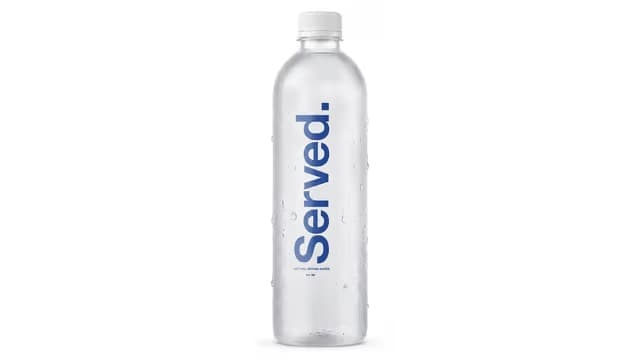
The company provides natural spring water in 350ml and 600ml bottles, with custom branding options available for eligible business orders. Its services are designed around commercial drinking water requirements and include nationwide delivery for its business customers.
For agricultural organisations looking for drinking water for staff, visitors, meetings, or events held at their facilities, these bottled water options may be worth exploring.
However, agricultural operators requiring bulk irrigation water, livestock water, or tanker deliveries should confirm directly with Servedwater.com.au whether the required service is available. Understanding the intended use, quantity, and delivery location helps establish whether a particular supply option is suitable.
Improving Water Management in Agricultural Facilities
Effective water management involves more than arranging deliveries. Agricultural businesses should regularly review their consumption and identify opportunities to improve efficiency.
Installing water-efficient irrigation systems, checking pipes for leaks, maintaining storage tanks, and monitoring daily usage can help reduce unnecessary consumption.
Rainwater harvesting may also provide an additional source of water where suitable and permitted. Reusing treated wastewater for approved applications can further support responsible resource management.
Agricultural businesses should also remain aware of applicable Australian water regulations, environmental requirements, and local water restrictions. These practices help protect valuable water resources while supporting long-term agricultural operations.
Why Reliable Water Planning Matters for Modern Agriculture
Modern agriculture depends on careful resource management and effective operational planning. Water shortages can affect crop production, livestock management, and everyday facility activities.
Having a clear water management strategy allows farm owners to understand their requirements, evaluate available supply options, and prepare for changing seasonal conditions.
Servedwater.com.au provides bottled spring water solutions for commercial customers, including organisations seeking drinking water for business environments. Agricultural businesses can contact the company to discuss their requirements and confirm whether its available services match their needs.
Frequently Asked Questions (FAQs)
1. What is agricultural facility water delivery?
Agricultural facility water delivery refers to arranging an appropriate water supply for agricultural properties and their operational requirements, including irrigation, livestock care, cleaning, and drinking water.
2. Why is reliable water delivery important for farms?
Reliable water availability supports agricultural activities, helps maintain livestock facilities, assists irrigation planning, and reduces the risk of operational disruptions.
3. What factors should I consider when choosing a water delivery provider?
Consider water quality, delivery availability, required quantity, pricing, service coverage, storage capacity, and whether the provider can meet your intended water usage.
4. Can agricultural facilities use bottled spring water?
Yes. Bottled spring water can be useful for drinking purposes for farm employees, visitors, and business meetings. Other agricultural applications generally require different supply arrangements.
5. How can farms improve water management?
Farms can improve water management by monitoring consumption, repairing leaks, maintaining tanks, using efficient irrigation systems, and considering suitable rainwater collection methods.
6. Does Servedwater.com.au provide agricultural water delivery?
Servedwater.com.au provides bottled natural spring water solutions for commercial customers. Agricultural businesses should contact the company directly to confirm whether its current services meet their specific requirements.
Conclusion
Agricultural facility water delivery is an important consideration for farms and agricultural businesses looking to manage water requirements efficiently. From irrigation planning and livestock care to cleaning and staff hydration, understanding different water needs helps businesses make better supply decisions.
Choosing an appropriate provider involves evaluating water quality, delivery arrangements, storage facilities, and operational requirements. Servedwater.com.au offers natural spring water products and commercial delivery solutions for Australian customers. Agricultural businesses can explore its services and contact the company to determine which options are suitable for their water supply needs.
Ready to stay hydrated?
Get premium water delivery for your office or event — fresh, pure, and delivered on your schedule.
Order Now